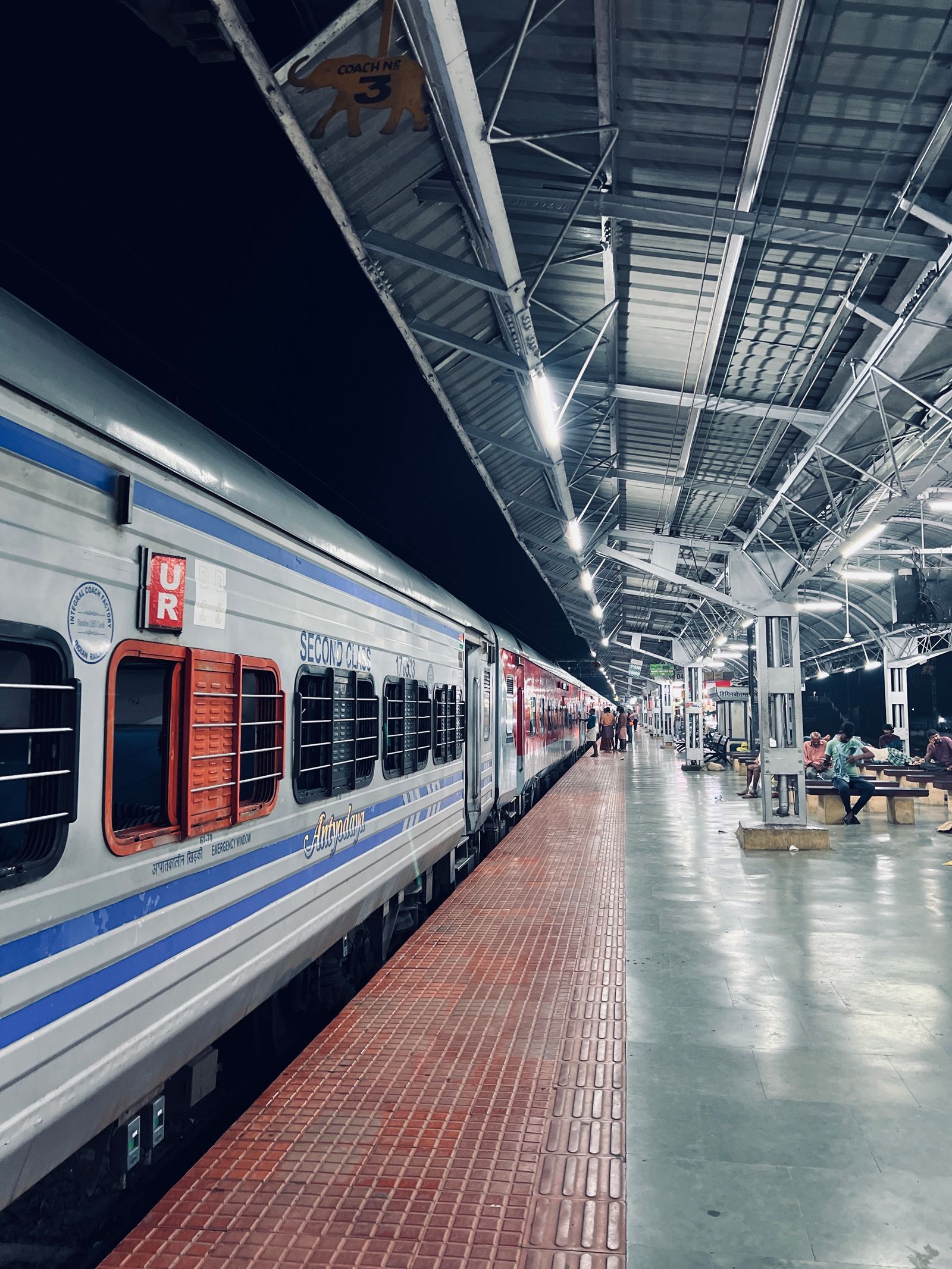
A night train can replace a hotel, but a reclining seat, shared couchette and private sleeper are very different products.
The aim is to make the useful decisions early, while keeping enough flexibility for real conditions and individual needs. This guide is written for UK travellers and is deliberately evergreen: prices, schedules, entry conditions and provider rules can change, so confirm any decision with the relevant official source before relying on it.
Start with the decisions that matter
Study the operator’s berth diagrams, gender or private-compartment rules, bedding, wash facilities and ticket requirements.
Separate genuine requirements from preferences. Safety, health, legal conditions and fixed connections come first; comfort upgrades and optional activities can follow. This order makes comparison easier and prevents an attractive deal from distracting from a poor practical fit.
Choose the correct category
A seat rarely provides a night’s rest. Couchettes are simple berths; sleepers usually provide more bedding and privacy.
Make the decision before the busiest part of the trip, record it somewhere accessible offline and share it with anyone whose plans depend on it. A small amount of preparation is more useful than trying to solve the same question while tired, carrying luggage or using unreliable mobile data.
Confirm the complete booking
Some systems separate the travel ticket and accommodation reservation. Make sure each passenger holds everything required.
Compare the complete practical effect rather than the most attractive headline promise. Time, location, flexibility and the needs of everyone travelling can matter as much as price. If a detail is essential, confirm it with the operator or provider and keep the answer in writing.
Pack a night bag
Keep sleepwear, toiletries, water, earplugs, documents and morning layers accessible while larger bags remain stored.
Leave enough margin for delays and ordinary human needs. An itinerary that works only when every connection is punctual is not a resilient plan. Identify the easiest fallback in advance, but avoid booking duplicate services unless the protection is genuinely worth the extra cost.
Prepare for checks
Border or ticket inspections may happen overnight. Follow staff instructions and secure valuables without blocking emergency access.
Use recent official information for rules and live arrangements. Search results, social posts and old forum answers are helpful for ideas but may be wrong about current procedures. Save the relevant official page or contact details so that you can recheck shortly before departure.
Plan the arrival hour
Stations can be quiet before local transport starts. Save the route, check luggage storage and never assume early hotel check-in.
Keep the system simple enough to follow. One clear note, one labelled pouch or one agreed meeting point is usually better than several clever workarounds. The goal is not perfect control; it is to reduce avoidable friction and preserve time for the trip itself.
A simple action checklist
Work through the list below once when planning and again shortly before departure. Add destination-specific details, assign shared tasks to a named person and place any deadline in a calendar rather than trusting memory.
Keep confirmations and key contact details available offline. A screenshot can be useful for quick reference, but retain the original email or document because it contains the full conditions and is usually stronger evidence if something goes wrong.
- Compare berth categories
- Check ticket and reservation
- Confirm compartment rules
- Pack a night bag
- Secure valuables
- Plan the dawn arrival
Common mistakes to avoid
The most frequent problems are booking a seat expecting a bed, burying documents in large luggage and assuming the city functions normally at dawn. None requires an elaborate solution, but each is harder and usually more expensive to correct during the journey.
Be cautious with urgency messages, unsolicited payment requests and advice that cannot be traced to an accountable source. Pause, verify through contact details obtained independently and ask for clarification when the wording of a rule or booking condition is unclear.
Build in a sensible fallback
A useful fallback is specific and modest: a later public-transport option, the insurer’s assistance number, a second payment method or a meeting point if phones fail. It should reduce stress without doubling the cost or complexity of the trip.
If plans change, deal first with safety and the next fixed commitment. Keep receipts and written messages where reimbursement may be relevant, then rearrange the smallest possible part of the itinerary. Our pre-departure checklist covers the wider document, money and phone preparations.
Final thoughts
The value of a night train depends on the correct berth and a workable arrival. Read the layout carefully and treat imperfect sleep as part of the calculation.


